Parkinson Disease
About Parkinson’s Disease
Advanced Parkinson’s Care Experts
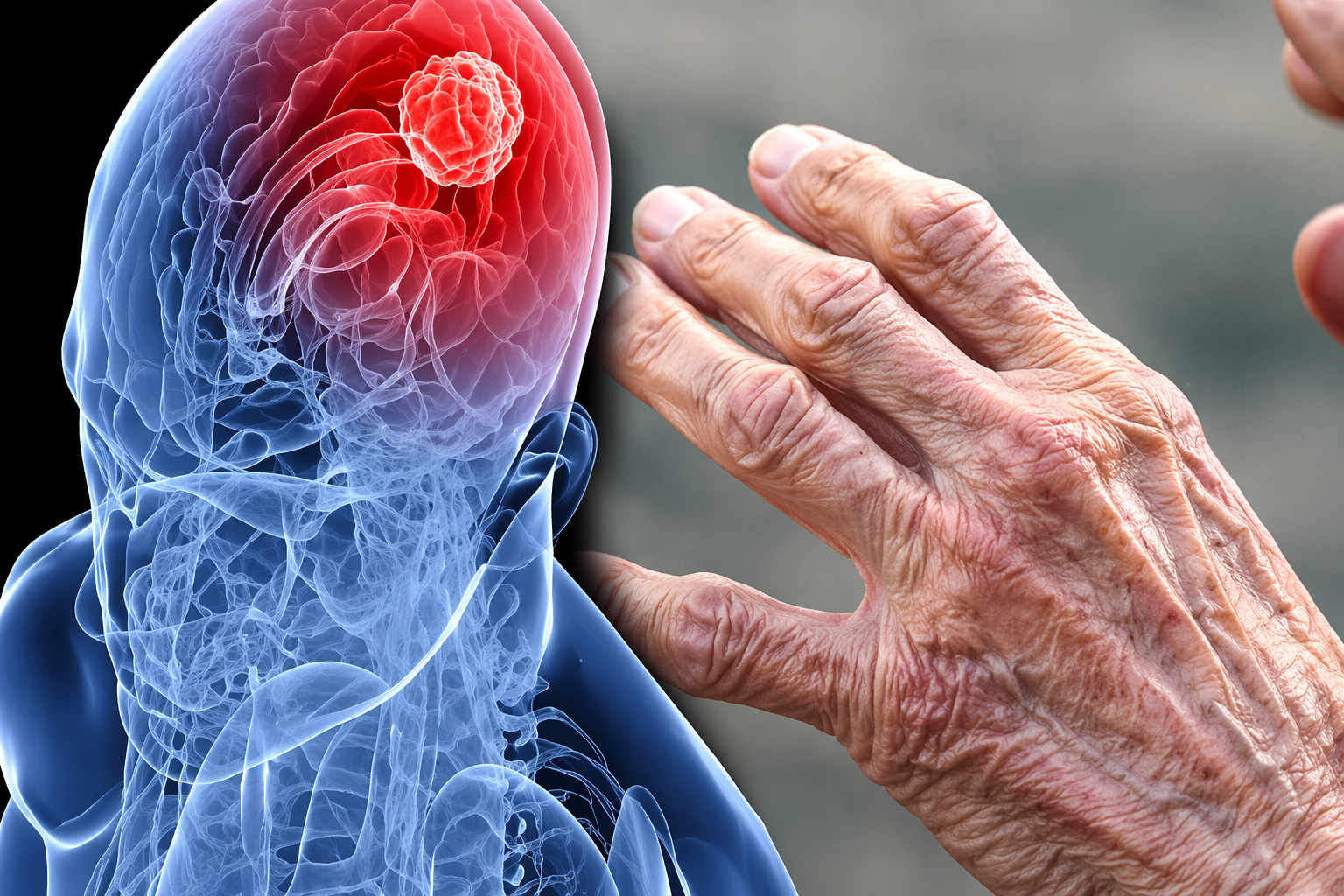
Parkinson’s Disease is a progressive neurological disorder that affects movement, balance, and coordination. It occurs due to reduced dopamine levels in the brain, leading to symptoms such as tremors, stiffness, and slowed movements. At Preetham Neuro Centre, Dr. Preetham Reddy provides expert diagnosis and personalized treatment for Parkinson’s disease. With over 13 years of experience, we focus on early detection, symptom management, and improving quality of life for patients in Chandanagar, Madinaguda, BHEL, and Hyderabad.
Symptoms of Parkinson’s Disease
Identify Parkinson’s Warning Signs
Early recognition of symptoms helps in timely treatment and better long-term management of the condition.

Tremors
Shaking of hands, fingers, or limbs, especially at rest

Slowed Movements
Difficulty initiating movements and performing daily tasks

Muscle Stiffness
Tightness in muscles causing discomfort and reduced flexibility

Balance Problems
Postural instability leading to falls or unsteady walking

Changes in Speech & Writing
Soft speech, slurred words, or smaller handwriting

Reduced Facial Expressions
Decreased blinking or expression, often called “masked face”
Practice schedule
Treatment Options
Effective Parkinson’s Disease Management Solutions
Treatment focuses on managing symptoms, improving mobility, and slowing disease progression through medications and supportive therapies.
Dopamine Replacement Therapy
Primary treatment to improve movement by increasing dopamine levels in the brain.
- Levodopa-based medications
- Improves mobility and coordination
- Reduces tremors and stiffness
Medication Management & Optimization
Careful adjustment of medications to maximize benefits and minimize side effects.
- Personalized treatment plans
- Regular follow-up and monitoring
- Dose adjustment strategies
Botulinum Toxin (Botox) Therapy
Used to manage stiffness, tremors, or involuntary muscle contractions in selected cases.
- Targeted injection therapy
- Reduces muscle overactivity
- Minimally invasive procedure
Physiotherapy & Movement Rehabilitation
Therapies designed to improve mobility, flexibility, and balance.
- Gait and balance training
- Strength and flexibility exercises
- Fall prevention strategies
Speech & Swallow Therapy
Helps manage speech difficulties and swallowing problems associated with Parkinson’s.
- Voice strengthening exercises
- Swallowing safety techniques
- Communication improvement support
Advanced Parkinson’s Care & Monitoring
Long-term care to track disease progression and improve quality of life.
- Regular neurological assessments
- Lifestyle and activity guidance
- Supportive care planning
FAQs
Parkinson’s disease is a progressive neurological disorder affecting movement, caused by reduced dopamine levels leading to tremors, stiffness, and slow movements.
The exact cause is unknown, but it involves degeneration of dopamine-producing brain cells, influenced by genetic and environmental factors.
Early signs include mild tremors, slowed movements, stiffness, reduced facial expressions, and subtle changes in speech or handwriting.
Parkinson’s disease is not curable, but treatments can effectively control symptoms, improve daily functioning, and slow disease progression.
Consult a neurologist if you notice tremors, stiffness, slowed movements, or balance issues affecting your daily life.
Yes, with medications, therapy, and regular monitoring, patients can manage symptoms effectively and maintain a good quality of life.
Epilepsy & Seizure Treatment
Advanced Care for Seizure Disorders
Epilepsy is a neurological disorder caused by abnormal electrical activity in the brain, resulting in repeated seizures that can affect movement, awareness, and overall quality of life. These seizures may vary from mild episodes to severe convulsions depending on the condition.
At Preetham Neuro Centre, we provide comprehensive epilepsy care with a strong focus on accurate diagnosis, personalized treatment, and long-term management. Under the expertise of Dr. Preetham Reddy, patients receive evidence-based care designed to control seizures, reduce frequency, and improve daily functioning and long-term brain health.
Symptoms of Epilepsy
Identify Early Warning Signs
Epilepsy symptoms vary widely, but early identification helps ensure timely treatment, better seizure control, and prevention of serious neurological complications.

Seizures / Convulsions
Sudden jerking movements of body due to abnormal brain activity

Loss of Consciousness
Temporary blackout or unresponsiveness during seizure episodes

Confusion / Memory Loss
Difficulty remembering events or feeling disoriented after seizures

Unusual Sensations
Fear, anxiety, or déjà vu feeling before seizure starts

Body Stiffness / Falls
Sudden muscle stiffness or unexpected falls without warning