Movement Disorders

About Movement Disorders

Advanced Movement Disorder Care Experts

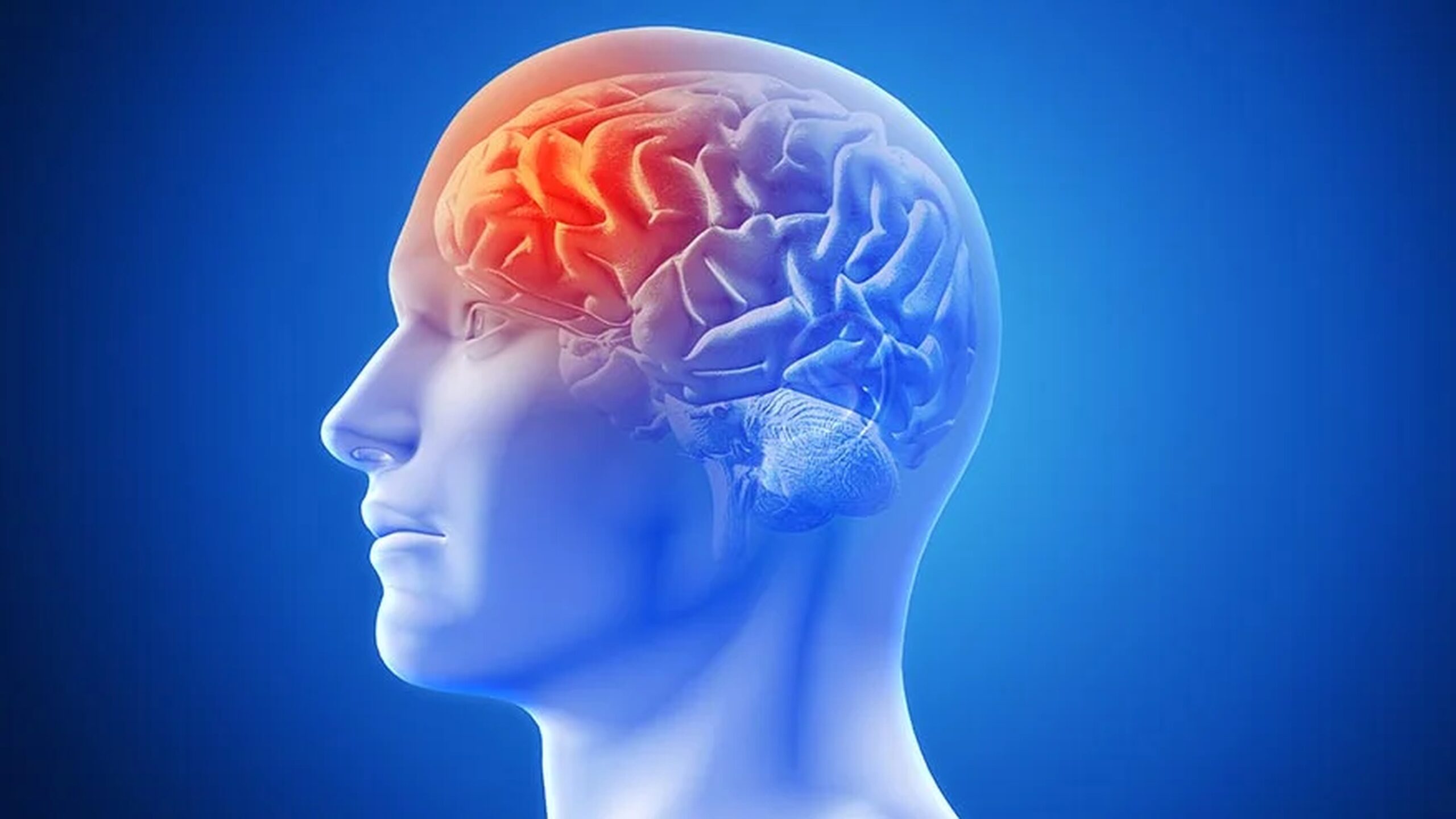
Movement disorders are neurological conditions that affect the speed, control, and coordination of body movements. These may present as slowed movements, tremors, stiffness, or involuntary movements, impacting daily life and independence. At Preetham Neuro Centre, Dr. Preetham Reddy provides expert diagnosis and advanced treatment for a wide range of movement disorders. With over 13 years of experience, we focus on accurate diagnosis, symptom control, and improving quality of life for patients in Chandanagar, Madinaguda, BHEL, and Hyderabad.

Symptoms of Movement Disorders

Identify Movement Disorder Warning Signs

Recognizing symptoms early helps ensure timely diagnosis and effective management of neurological movement conditions.

Tremors

Involuntary shaking of hands, head, or other body parts

Slowed Movements

Reduced speed of movement affecting daily activities

Muscle Stiffness

Rigidity in muscles causing discomfort and limited mobility

Involuntary Movements

Uncontrolled movements such as jerks, twitches, or spasms

Balance & Coordination Issues

Difficulty walking, frequent falls, or unsteady posture

Postural Changes

Stooped posture or difficulty maintaining body alignment
Treatment Options

Effective Movement Disorder Management Solutions

Treatment focuses on controlling symptoms, improving movement, and enhancing quality of life through medications and advanced neurological care.

Parkinson’s Disease Management

Specialized care for patients with Parkinson’s disease to improve mobility and reduce symptoms.

Tremor Management

Treatment for essential tremors and other shaking disorders affecting daily tasks.

Dystonia & Involuntary Movement Care

Management of abnormal muscle contractions causing twisting or repetitive movements.

Botulinum Toxin (Botox) Therapy

Advanced treatment to reduce muscle overactivity and involuntary movements.

Medication Optimization & Monitoring

Regular adjustment of medications to ensure maximum effectiveness and minimal side effects.

Rehabilitation & Physiotherapy

Therapies designed to improve mobility, balance, and coordination.

FAQs

Movement disorders are neurological conditions affecting speed, coordination, or control of movements, causing tremors, stiffness, or involuntary actions.

Common types include Parkinson’s disease, tremors, dystonia, and other conditions affecting normal voluntary or involuntary body movements.

Consult a neurologist if you experience tremors, stiffness, slowed movements, or balance problems affecting daily activities and mobility.

While some conditions are chronic, treatments can effectively control symptoms, improve movement, and enhance quality of life significantly.

Parkinson’s disease is not curable, but medications and therapies help manage symptoms and slow progression effectively.

Treatments include medications, lifestyle changes, and advanced therapies like Botox injections depending on severity and underlying cause.

Epilepsy & Seizure Treatment

Advanced Care for Seizure Disorders

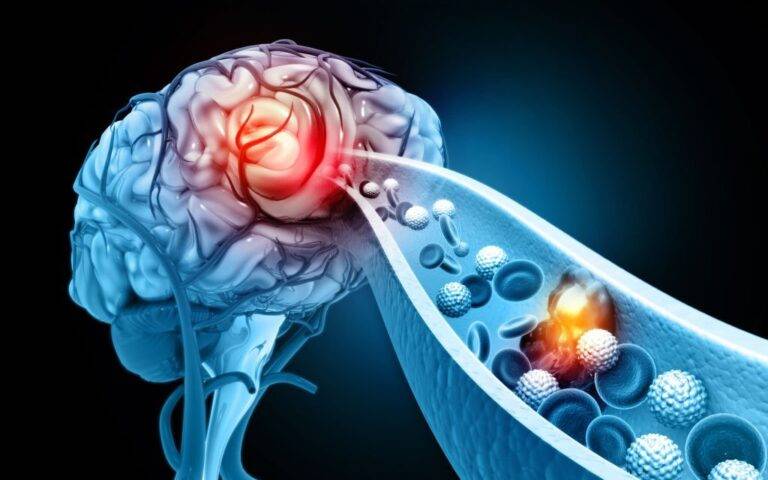
Epilepsy is a neurological disorder caused by abnormal electrical activity in the brain, resulting in repeated seizures that can affect movement, awareness, and overall quality of life. These seizures may vary from mild episodes to severe convulsions depending on the condition.

At Preetham Neuro Centre, we provide comprehensive epilepsy care with a strong focus on accurate diagnosis, personalized treatment, and long-term management. Under the expertise of Dr. Preetham Reddy, patients receive evidence-based care designed to control seizures, reduce frequency, and improve daily functioning and long-term brain health.

Symptoms of Epilepsy

Identify Early Warning Signs

Epilepsy symptoms vary widely, but early identification helps ensure timely treatment, better seizure control, and prevention of serious neurological complications.

Seizures / Convulsions

Sudden jerking movements of body due to abnormal brain activity

Loss of Consciousness

Temporary blackout or unresponsiveness during seizure episodes

Confusion / Memory Loss

Difficulty remembering events or feeling disoriented after seizures

Unusual Sensations

Fear, anxiety, or déjà vu feeling before seizure starts

Body Stiffness / Falls

Sudden muscle stiffness or unexpected falls without warning
Scroll to Top