GBS & ACUTE FLACCID PARALYSIS
GBS & Acute Flaccid Paralysis Treatment
Emergency Neurological Care for Sudden Paralysis
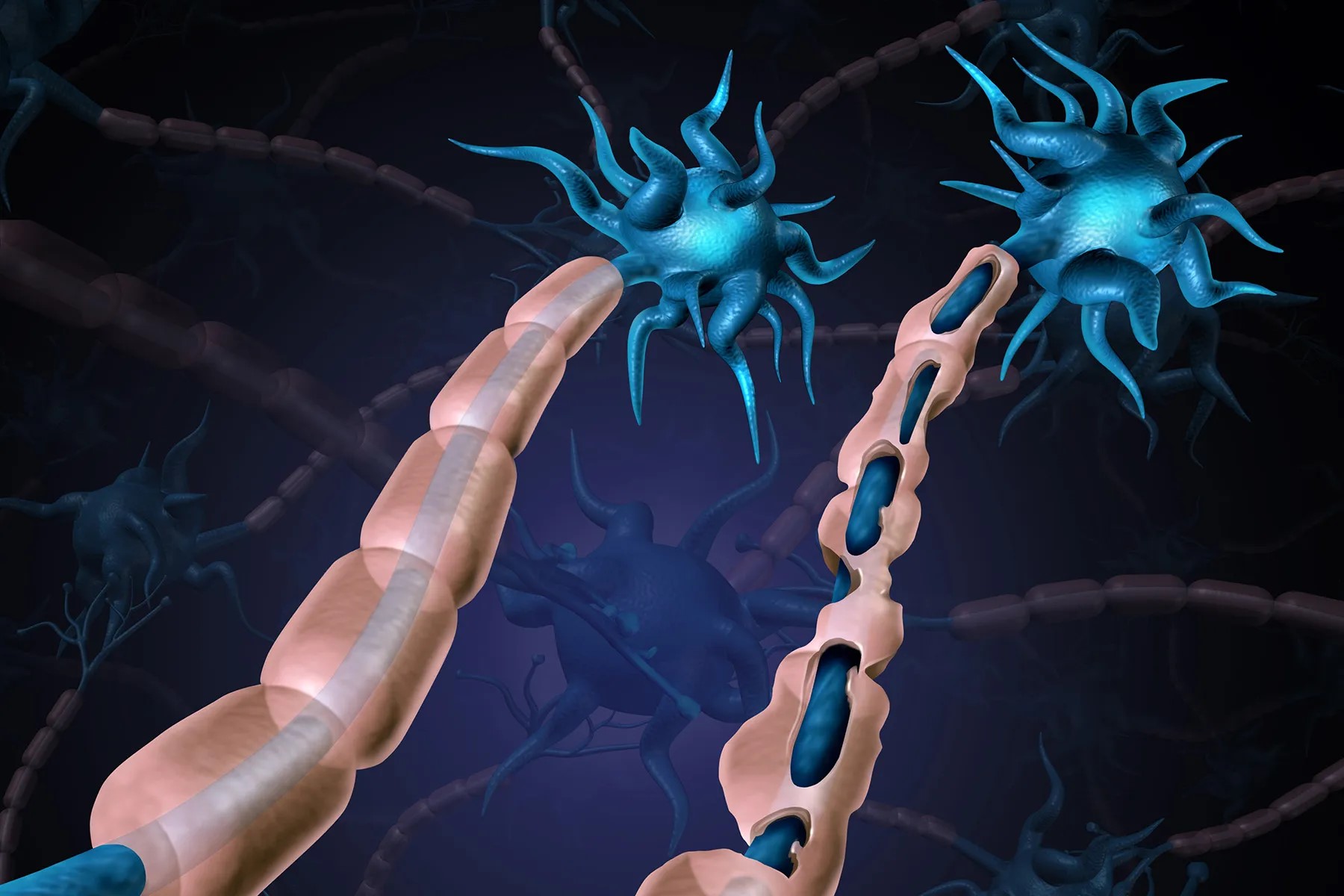
Guillain-Barré Syndrome (GBS) and Acute Flaccid Paralysis (AFP) are rare but serious neurological emergencies that require immediate medical attention. These conditions cause rapid weakness, which can progress to paralysis and affect breathing if untreated. At Preetham Neuro Centre, Dr. Preetham Reddy provides expert diagnosis, advanced testing, and life-saving treatment. Our focus is on early detection, rapid intervention, and comprehensive recovery support to improve outcomes and prevent long-term complications.
Symptoms of GBS & ACUTE FLACCID PARALYSIS
Recognize Early. Act Immediately.
Early identification of symptoms helps start urgent treatment, prevents complications, and improves recovery in life-threatening neurological conditions like GBS and paralysis.

Progressive Weakness
Weakness starting in legs and gradually spreading to arms and upper body

Tingling & Numbness
Abnormal sensations in hands, feet, or limbs

Difficulty Walking
Trouble standing, walking, or maintaining balance

Loss of Reflexes
Reduced or absent reflex response

Breathing Difficulty
Severe cases may affect respiratory muscles
Practice schedule
Treatment Options
Rapid Treatment. Better Recovery.
We provide emergency therapies, intensive care, and rehabilitation support to stop disease progression, restore nerve function, and improve recovery outcomes.
IVIG Therapy (Intravenous Immunoglobulin)
IVIG is a first-line treatment that helps block harmful immune responses attacking the nerves, reducing inflammation and slowing disease progression effectively.
- Neutralizes harmful antibodies
- Slows disease progression
- Improves recovery speed
Plasmapheresis (Plasma Exchange)
Plasmapheresis is an advanced procedure that filters the blood to remove damaging antibodies, helping reduce nerve inflammation and prevent further damage.
- Removes autoimmune antibodies
- Reduces nerve inflammation
- Prevents further neurological damage
Emergency Support Care
Patients with severe symptoms may require continuous monitoring and supportive care, including breathing assistance and ICU-level management for stabilization.
- Continuous vital monitoring
- Respiratory support if needed
- ICU-level neurological care
FAQs
GBS is an autoimmune condition where the immune system attacks nerves, causing weakness, numbness, and sometimes paralysis that can progress rapidly.
Yes, GBS is a neurological emergency that requires immediate treatment to prevent paralysis, breathing complications, and life-threatening conditions.
GBS is not permanently cured, but with early treatment like IVIG or plasmapheresis, most patients recover significantly over time.
AFP can be caused by infections, autoimmune disorders like GBS, toxins, or neurological conditions affecting nerve function and muscle control.
Recovery varies from weeks to months depending on severity, early treatment, and rehabilitation support provided to the patient.
Immediately seek medical care if you experience sudden weakness, numbness, or difficulty walking, as early treatment is critical.
Epilepsy & Seizure Treatment
Advanced Care for Seizure Disorders
Epilepsy is a neurological disorder caused by abnormal electrical activity in the brain, resulting in repeated seizures that can affect movement, awareness, and overall quality of life. These seizures may vary from mild episodes to severe convulsions depending on the condition.
At Preetham Neuro Centre, we provide comprehensive epilepsy care with a strong focus on accurate diagnosis, personalized treatment, and long-term management. Under the expertise of Dr. Preetham Reddy, patients receive evidence-based care designed to control seizures, reduce frequency, and improve daily functioning and long-term brain health.
Symptoms of Epilepsy
Identify Early Warning Signs
Epilepsy symptoms vary widely, but early identification helps ensure timely treatment, better seizure control, and prevention of serious neurological complications.

Seizures / Convulsions
Sudden jerking movements of body due to abnormal brain activity

Loss of Consciousness
Temporary blackout or unresponsiveness during seizure episodes

Confusion / Memory Loss
Difficulty remembering events or feeling disoriented after seizures

Unusual Sensations
Fear, anxiety, or déjà vu feeling before seizure starts

Body Stiffness / Falls
Sudden muscle stiffness or unexpected falls without warning