MOTOR NEURON DISEASES (MND)
Motor Neuron Diseases Treatment
Advanced Care for Progressive Nerve Disorders
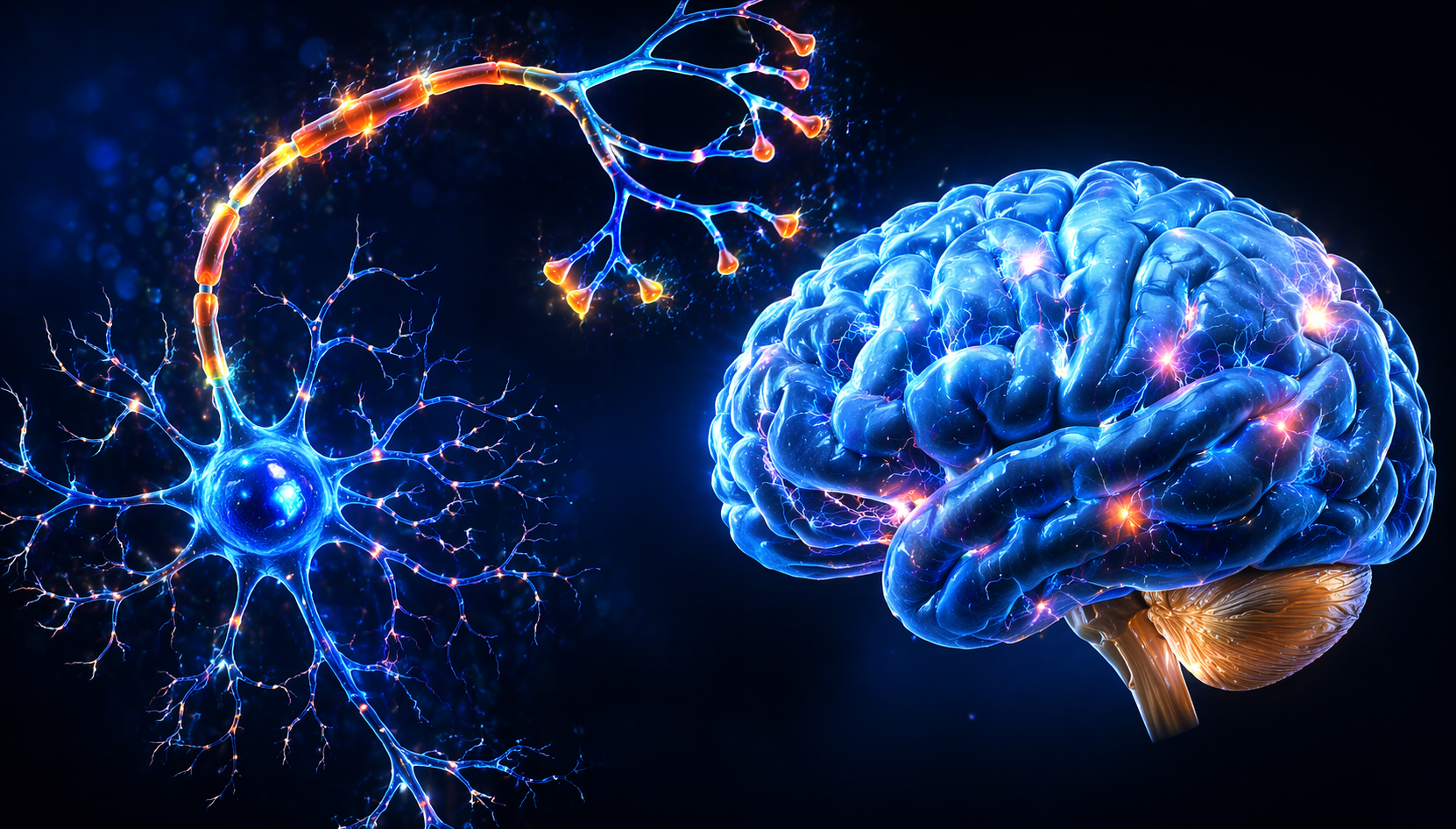
Motor Neuron Diseases (MND) are progressive neurological disorders that affect nerve cells responsible for controlling voluntary muscles. Over time, these conditions lead to muscle weakness, loss of coordination, and difficulty in speaking, swallowing, and breathing. At Preetham Neuro Centre, Dr. Preetham Reddy provides expert diagnosis and comprehensive care. Our focus is on early detection, symptom management, and improving quality of life through personalized treatment and continuous neurological support.
Symptoms of Motor Neuron Diseases
Recognize Early Changes
Early identification of symptoms helps manage disease progression, improve quality of life, and provide timely supportive neurological care.
Muscle Weakness
Progressive weakness in arms, legs, or body
Muscle Wasting
Gradual loss of muscle mass over time
Speech Difficulty
Slurred speech or trouble speaking clearly
Swallowing Problems
Difficulty swallowing food or liquids
Muscle Twitching
Involuntary movements in muscles
Practice schedule
Treatment Options
Supportive Care. Better Quality of Life.
We provide supportive therapies, symptom control, and long-term care to slow progression, improve function, and enhance patient quality of life.
Symptom Management Therapy
Medications are used to manage symptoms such as muscle stiffness, cramps, and movement difficulties, improving comfort and daily functioning.
- Reduces muscle stiffness
- Controls cramps and spasms
- Improves daily activities
- Enhances patient comfort
Physical Therapy & Rehabilitation
Rehabilitation programs focus on maintaining muscle strength, flexibility, and mobility to help patients remain active and independent.
- Maintains muscle strength
- Improves mobility
- Prevents stiffness
- Supports independence
Speech & Swallowing Therapy
Specialized therapy helps improve communication and manage swallowing difficulties, reducing complications and improving quality of life.
- Improves speech clarity
- Supports safe swallowing
- Reduces choking risk
- Enhances communication
Respiratory Support Care
Breathing support is provided in advanced stages to maintain oxygen levels and assist weakened respiratory muscles.
- Supports breathing function
- Maintains oxygen levels
- Prevents complications
- Improves comfort
Nutritional & Supportive Care
Proper nutrition and supportive care help maintain energy levels, prevent weight loss, and support overall health during disease progression.
- Maintains nutrition
- Prevents weight loss
- Improves energy levels
- Supports overall health
Long-Term Care & Monitoring
Regular follow-up and monitoring help track disease progression, adjust treatments, and provide continuous care for better outcomes.
- Tracks disease progression
- Adjusts treatment plans
- Provides ongoing care
- Improves quality of life
FAQs
Motor Neuron Diseases are progressive neurological disorders affecting nerve cells that control voluntary muscles, leading to weakness and loss of movement.
MND is not curable, but treatments help manage symptoms, slow progression, and improve quality of life.
The exact cause is often unknown, but genetic and environmental factors may contribute to the condition.
Diagnosis involves neurological examination, EMG testing, and clinical evaluation to confirm nerve involvement.
Yes, in advanced stages, it can weaken respiratory muscles and may require breathing support.
Consult a neurologist if you experience progressive muscle weakness, speech difficulty, or muscle twitching for early evaluation.
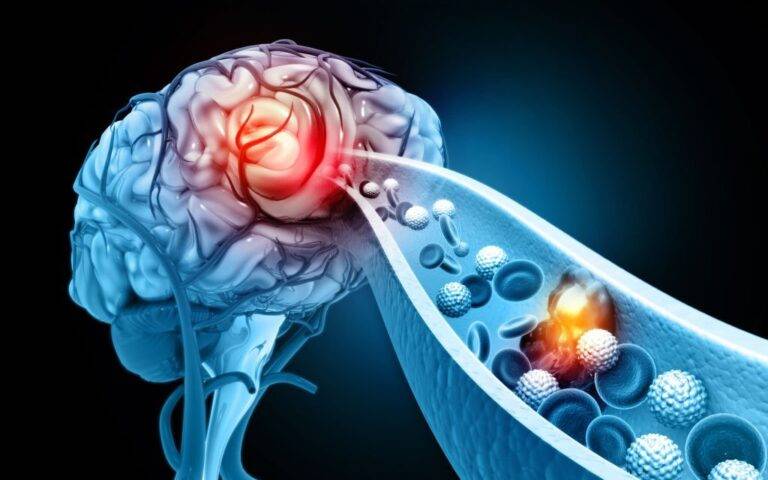
Epilepsy & Seizure Treatment
Advanced Care for Seizure Disorders
Epilepsy is a neurological disorder caused by abnormal electrical activity in the brain, resulting in repeated seizures that can affect movement, awareness, and overall quality of life. These seizures may vary from mild episodes to severe convulsions depending on the condition.
At Preetham Neuro Centre, we provide comprehensive epilepsy care with a strong focus on accurate diagnosis, personalized treatment, and long-term management. Under the expertise of Dr. Preetham Reddy, patients receive evidence-based care designed to control seizures, reduce frequency, and improve daily functioning and long-term brain health.
Symptoms of Epilepsy
Identify Early Warning Signs
Epilepsy symptoms vary widely, but early identification helps ensure timely treatment, better seizure control, and prevention of serious neurological complications.

Seizures / Convulsions
Sudden jerking movements of body due to abnormal brain activity
Loss of Consciousness
Temporary blackout or unresponsiveness during seizure episodes
Confusion / Memory Loss
Difficulty remembering events or feeling disoriented after seizures
Unusual Sensations
Fear, anxiety, or déjà vu feeling before seizure starts
Body Stiffness / Falls
Sudden muscle stiffness or unexpected falls without warning