

Trigeminal Neuralgia

About Trigeminal Neuralgia

Advanced Facial Pain Care Experts

Trigeminal Neuralgia is a chronic neurological condition causing sudden, severe facial pain due to irritation or compression of the trigeminal nerve. The pain is often sharp, electric shock-like, and can be triggered by simple activities like talking, chewing, or touching the face. At Preetham Neuro Centre, Dr. Preetham Reddy provides expert diagnosis and advanced treatment for trigeminal neuralgia. With over 13 years of experience, we focus on accurate diagnosis, effective pain control, and long-term management for patients in Chandanagar, Madinaguda, BHEL, and Hyderabad.

Symptoms of Trigeminal Neuralgia

Identify Facial Pain Warning Signs

Early recognition helps prevent worsening pain episodes and ensures timely neurological care.

Severe Facial Pain

Sudden, intense, electric shock-like pain on one side of the face

Trigger-Based Pain

Pain triggered by activities like chewing, speaking, or brushing teeth

Short Pain Episodes

Attacks lasting from seconds to minutes but recurring frequently

Pain in Specific Areas

Affects cheeks, jaw, teeth, gums, or lips along nerve pathway

Burning or Sharp Sensation

Persistent discomfort between severe pain attacks

Facial Sensitivity

Extreme sensitivity to touch or mild stimuli
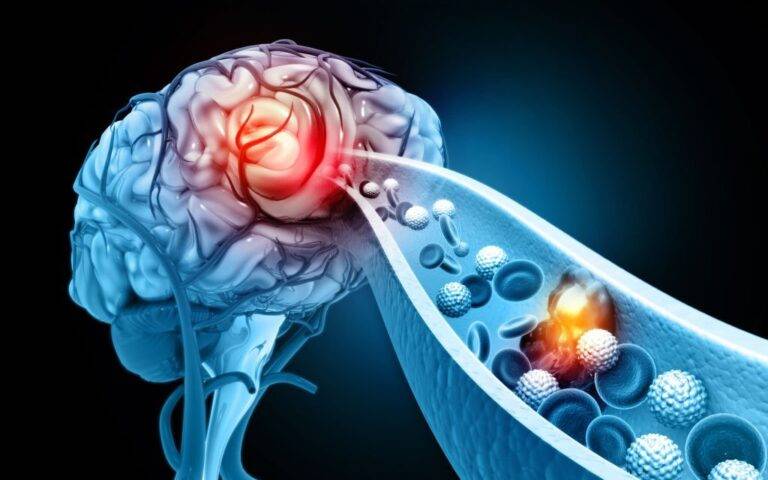
Treatment Options

Effective Trigeminal Neuralgia Pain Relief

Treatment focuses on controlling nerve pain, reducing attack frequency, and improving quality of life through medical and advanced therapies.

Medication Therapy (First-Line Treatment)

Primary treatment to control nerve pain and reduce frequency of attacks.

Nerve Block Injections

Targeted injections to reduce pain signals from the trigeminal nerve.

Botulinum Toxin (Botox) Therapy

Advanced treatment for patients not responding to medications.

Microvascular Decompression (Surgical Referral)

Procedure to relieve pressure on the trigeminal nerve in selected cases.

Radiofrequency Ablation Therapy

Procedure to selectively block pain signals in the nerve.

Long-Term Pain Management & Monitoring

Continuous care to prevent recurrence and improve quality of life.

FAQs

Trigeminal neuralgia is a chronic condition causing severe facial pain due to irritation or compression of the trigeminal nerve.

It is usually caused by nerve compression from blood vessels, aging changes, or neurological conditions affecting the trigeminal nerve.

Common triggers include chewing, talking, brushing teeth, touching the face, or even exposure to wind.

Yes, it can be extremely painful and affect daily life, but it is manageable with proper neurological treatment.

Consult a neurologist if you experience sudden, severe facial pain or recurring pain episodes affecting normal activities.

While not always curable, treatments can effectively control pain and significantly improve quality of life.

Epilepsy & Seizure Treatment

Advanced Care for Seizure Disorders

Epilepsy is a neurological disorder caused by abnormal electrical activity in the brain, resulting in repeated seizures that can affect movement, awareness, and overall quality of life. These seizures may vary from mild episodes to severe convulsions depending on the condition.

At Preetham Neuro Centre, we provide comprehensive epilepsy care with a strong focus on accurate diagnosis, personalized treatment, and long-term management. Under the expertise of Dr. Preetham Reddy, patients receive evidence-based care designed to control seizures, reduce frequency, and improve daily functioning and long-term brain health.

Symptoms of Epilepsy

Identify Early Warning Signs

Epilepsy symptoms vary widely, but early identification helps ensure timely treatment, better seizure control, and prevention of serious neurological complications.

Seizures / Convulsions

Sudden jerking movements of body due to abnormal brain activity

Loss of Consciousness

Temporary blackout or unresponsiveness during seizure episodes

Confusion / Memory Loss

Difficulty remembering events or feeling disoriented after seizures

Unusual Sensations

Fear, anxiety, or déjà vu feeling before seizure starts

Body Stiffness / Falls

Sudden muscle stiffness or unexpected falls without warning

Scroll to Top