Transverse Myelitis Spinal
About Transverse Myelitis Spinal
Advanced Spinal Cord Disorder Care Experts
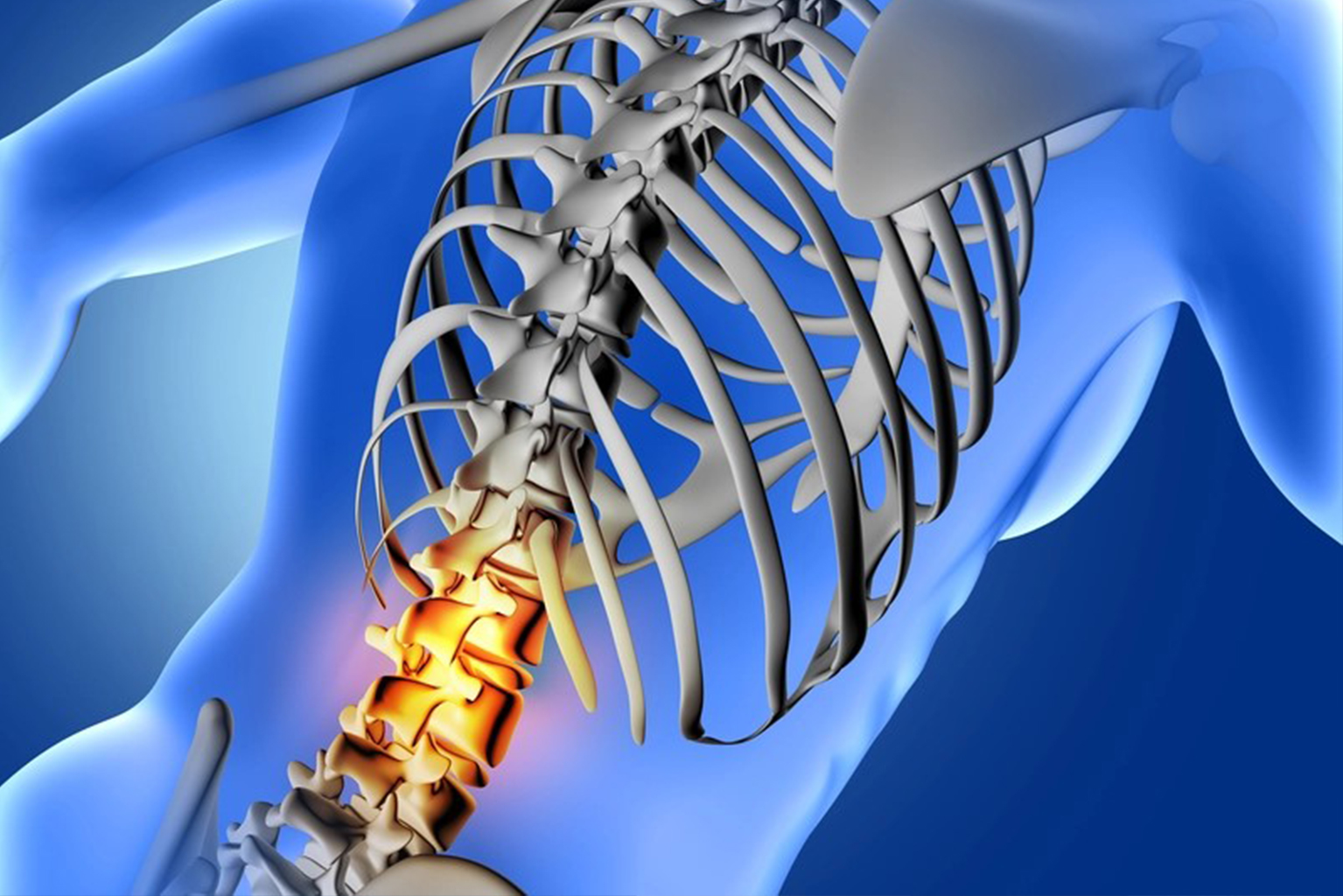
Transverse Myelitis is a neurological condition caused by inflammation of the spinal cord, leading to disruption of nerve signals. This can result in weakness, sensory changes, and difficulty with movement or bladder control. At Preetham Neuro Centre, Dr. Preetham Reddy provides expert diagnosis and advanced treatment for spinal cord disorders. With over 13 years of experience, we focus on early intervention, reducing inflammation, and restoring neurological function for patients in Chandanagar, Madinaguda, BHEL, and Hyderabad.
Symptoms of Transverse Myelitis
Identify Spinal Cord Warning Signs
Early recognition is critical, as symptoms can progress rapidly and require urgent neurological care.

Sudden Weakness
Weakness in legs or arms affecting movement and walking

Numbness or Sensory Changes
Loss of sensation or abnormal feelings like tingling or burning

Back Pain
Sharp or aching pain in the spine or lower back

Bladder & Bowel Problems
Difficulty controlling urination or bowel movements

Muscle Spasms
Involuntary tightening or stiffness of muscles

Paralysis (Severe Cases)
Partial or complete loss of movement below affected spinal level
Practice schedule
Treatment Options
Effective Spinal Cord Care Solutions
Treatment focuses on reducing inflammation, managing symptoms, and improving recovery through medical and rehabilitative care.
Steroid Therapy
Primary treatment to reduce spinal cord inflammation quickly.
- High-dose corticosteroids
- Reduces swelling and nerve damage
- Improves recovery chances
Immunotherapy & Autoimmune Management
Treatment for immune-related causes affecting the spinal cord.
- Immunosuppressive medications
- Prevents disease progression
- Long-term condition control
Plasmapheresis (Plasma Exchange Therapy)
Advanced therapy for severe or non-responsive cases.
- Removes harmful antibodies
- Improves neurological recovery
- Used in critical conditions
Pain & Symptom Management
Relieves discomfort and improves quality of life.
- Medications for nerve pain
- Muscle relaxants for spasms
- Supportive care
Rehabilitation & Physiotherapy
Essential for regaining strength, mobility, and independence.
- Muscle strengthening exercises
- Gait and balance training
- Functional recovery support
Bladder & Bowel Management Care
Specialized support for patients with autonomic dysfunction.
- Medication and bladder training
- Lifestyle and hygiene guidance
- Prevents complications
FAQs
Transverse Myelitis is inflammation of the spinal cord causing weakness, sensory loss, and movement difficulties due to disrupted nerve signals.
It may be caused by autoimmune diseases, infections, or post-viral reactions affecting the spinal cord and nerve pathways.
Yes, it can be serious and may lead to paralysis or long-term disability if not treated promptly.
Seek immediate medical attention if you experience sudden weakness, numbness, or bladder problems.
Yes, early treatment with steroids and therapy improves recovery, though outcomes depend on severity and timing of care.
Some patients recover fully, while others may have residual symptoms requiring long-term rehabilitation and care.
Epilepsy & Seizure Treatment
Advanced Care for Seizure Disorders
Epilepsy is a neurological disorder caused by abnormal electrical activity in the brain, resulting in repeated seizures that can affect movement, awareness, and overall quality of life. These seizures may vary from mild episodes to severe convulsions depending on the condition.
At Preetham Neuro Centre, we provide comprehensive epilepsy care with a strong focus on accurate diagnosis, personalized treatment, and long-term management. Under the expertise of Dr. Preetham Reddy, patients receive evidence-based care designed to control seizures, reduce frequency, and improve daily functioning and long-term brain health.
Symptoms of Epilepsy
Identify Early Warning Signs
Epilepsy symptoms vary widely, but early identification helps ensure timely treatment, better seizure control, and prevention of serious neurological complications.

Seizures / Convulsions
Sudden jerking movements of body due to abnormal brain activity

Loss of Consciousness
Temporary blackout or unresponsiveness during seizure episodes

Confusion / Memory Loss
Difficulty remembering events or feeling disoriented after seizures

Unusual Sensations
Fear, anxiety, or déjà vu feeling before seizure starts

Body Stiffness / Falls
Sudden muscle stiffness or unexpected falls without warning