STROKE & PARALYSIS

Stroke & Paralysis (4)

Stroke & Paralysis Treatment

Expert Care for Stroke Recovery

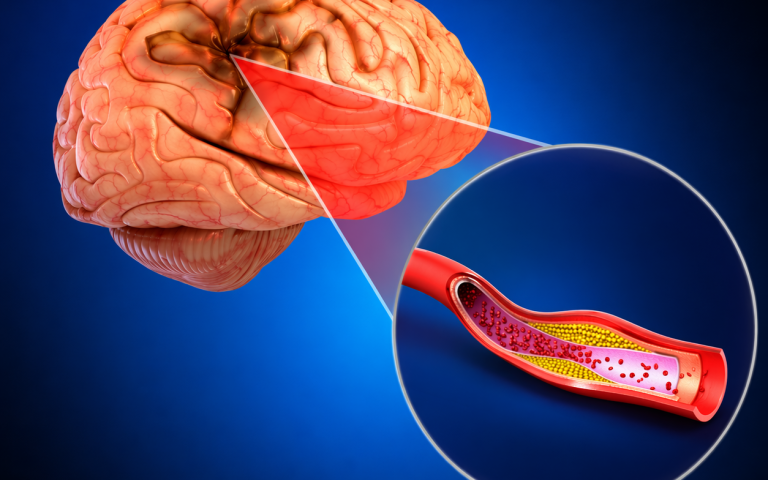
Stroke is a serious neurological emergency caused by interruption of blood flow to the brain, leading to brain cell damage and possible paralysis. Immediate medical attention is critical to prevent permanent disability or life-threatening complications. At Preetham Neuro Centre, we provide advanced stroke care including rapid diagnosis, emergency treatment, and comprehensive rehabilitation. Under the expertise of Dr. Preetham Reddy, our focus is on early intervention, effective treatment, and long-term recovery. We aim to restore movement, improve independence, and enhance overall quality of life.

Symptoms of Stroke & Paralysis

Act Fast. Save Brain Function

Recognizing stroke symptoms early helps ensure immediate treatment, reduces brain damage, and improves recovery outcomes and survival rates significantly.

Facial Drooping

One side of the face appears uneven, numb, or droops while smiling

Arm / Leg Weakness

Sudden weakness or inability to lift one side of the body

Speech Difficulty

Slurred speech or difficulty understanding simple conversations

Vision Problems

Blurred, double vision, or sudden loss of vision

Loss of Balance

Dizziness, coordination issues, or difficulty walking
Treatment Options

Advanced Stroke & Recovery Care

We provide emergency stroke treatment, advanced interventions, and rehabilitation programs to restore function, improve recovery outcomes, and prevent long-term disability.

Medication Management

Initial treatment focuses on stabilizing the patient and controlling risk factors to prevent further brain damage and complications.

Clot-Busting Therapy (tPA)

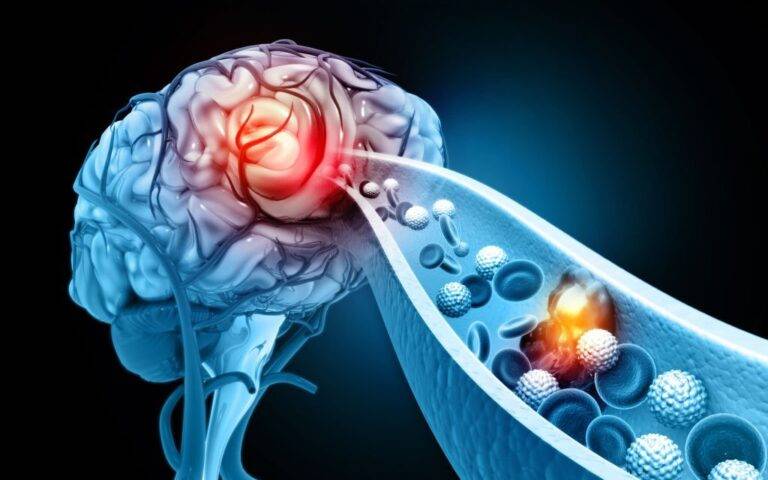
tPA is an emergency treatment used to dissolve blood clots and restore blood flow to the brain when given early.

Mechanical Thrombectomy

A minimally invasive procedure to remove clots from blocked brain vessels using advanced techniques and specialized equipment.

Rehabilitation Therapy

Rehabilitation plays a crucial role in recovery by improving movement, speech, and daily functional abilities.

Surgical Treatment

In critical cases, surgery may be required to remove clots, repair blood vessels, or relieve pressure on the brain.

Long-Term Care & Monitoring

Continuous follow-up and lifestyle management help prevent recurrence and ensure long-term neurological health and stability.

FAQs

Stroke occurs when blood supply to the brain is interrupted, causing brain cell damage and affecting movement, speech, and body functions.

Yes, early treatment can restore blood flow, reduce brain damage, and significantly improve recovery outcomes when treated immediately.

The golden hour is the critical time after stroke symptoms begin when immediate treatment gives the best chance of recovery.

Recovery depends on severity, but rehabilitation therapies can significantly improve movement, strength, and independence over time.

Recovery varies from weeks to months depending on severity, treatment timing, and rehabilitation support provided to the patient.

Immediately seek medical attention if stroke symptoms appear, as delay can lead to permanent brain damage and serious complications.

Epilepsy & Seizure Treatment

Advanced Care for Seizure Disorders

Epilepsy is a neurological disorder caused by abnormal electrical activity in the brain, resulting in repeated seizures that can affect movement, awareness, and overall quality of life. These seizures may vary from mild episodes to severe convulsions depending on the condition.

At Preetham Neuro Centre, we provide comprehensive epilepsy care with a strong focus on accurate diagnosis, personalized treatment, and long-term management. Under the expertise of Dr. Preetham Reddy, patients receive evidence-based care designed to control seizures, reduce frequency, and improve daily functioning and long-term brain health.

Symptoms of Epilepsy

Identify Early Warning Signs

Epilepsy symptoms vary widely, but early identification helps ensure timely treatment, better seizure control, and prevention of serious neurological complications.

Seizures / Convulsions

Sudden jerking movements of body due to abnormal brain activity

Loss of Consciousness

Temporary blackout or unresponsiveness during seizure episodes

Confusion / Memory Loss

Difficulty remembering events or feeling disoriented after seizures

Unusual Sensations

Fear, anxiety, or déjà vu feeling before seizure starts

Body Stiffness / Falls

Sudden muscle stiffness or unexpected falls without warning
Scroll to Top